
The path from a simple seed to a globally recognized, trophy-winning cannabis strain is far from random—it’s a meticulous journey that combines genetic mastery, years of experimentation, and an unshakable passion for excellence. In the competitive world of cannabis awards, only the most outstanding genetics rise to the top.
But what exactly makes a strain worthy of international acclaim? How do breeders go from an idea to a jar of buds that blows judges away? In this deep dive, we break down the full process of crafting cannabis strains that win trophies, not just hearts.
Selecting the Right Genetics
It Starts With Parent Selection
Every elite cannabis strain begins with an intentional cross of two or more parent strains. Breeders search for specific traits such as high cannabinoid content, terpene complexity, resilience, and yield. These parental lines often include already famous strains that have stood the test of time.
Genetic diversity is key. Breeders might select a stable, hardy landrace strain to pair with a modern hybrid that offers flavor and potency. This ensures both durability and market appeal. Before even popping a seed, breeders have already mapped out a long-term plan for the traits they want to lock in.
Traits That Win Trophies
What separates a good strain from a great one? Award-winning genetics usually express a rare balance of effects, flavor, aroma, and bag appeal. Whether it’s a citrusy high-energy sativa or a deeply relaxing purple indica, the final profile must stand out both to judges and consumers.
Breeders aim for synergy between cannabinoids and terpenes. A strain might test high in THC, but without a captivating aroma or smooth smoke, it won’t impress. Trophy strains often combine bold flavor (like gassy funk or fruity candy) with complex effects that evolve over time.
The Breeding and Pheno-Hunting Process
Creating Generations of Improvement
Once the initial cross is made, breeders grow out dozens or even hundreds of seeds. This process, known as pheno-hunting, allows them to select the best-performing plants for further refinement. These choices are made based on structure, flowering time, potency, resistance, and of course, terpene expression.
Each phenotype can express different traits, even when coming from the same parents. Breeders may find hidden gems plants with unexpectedly unique qualities that elevate the strain’s potential. These selections become the foundation for future generations and eventual stabilization.
Stabilizing the Line
It takes several generations of careful selection to stabilize a strain. Stability ensures that every seed produces plants with consistent characteristics. This is vital not just for growers, but also for competition judges expect reliability, not randomness.
F1 hybrids may offer vigor, but true winners usually come from F3 or later generations, where key traits are locked in. Breeders must test across multiple environments and growth conditions to ensure consistency. This phase can take years of work before a strain is ready to compete.
Growing the Strain to Perfection
Controlled Environments Make the Difference
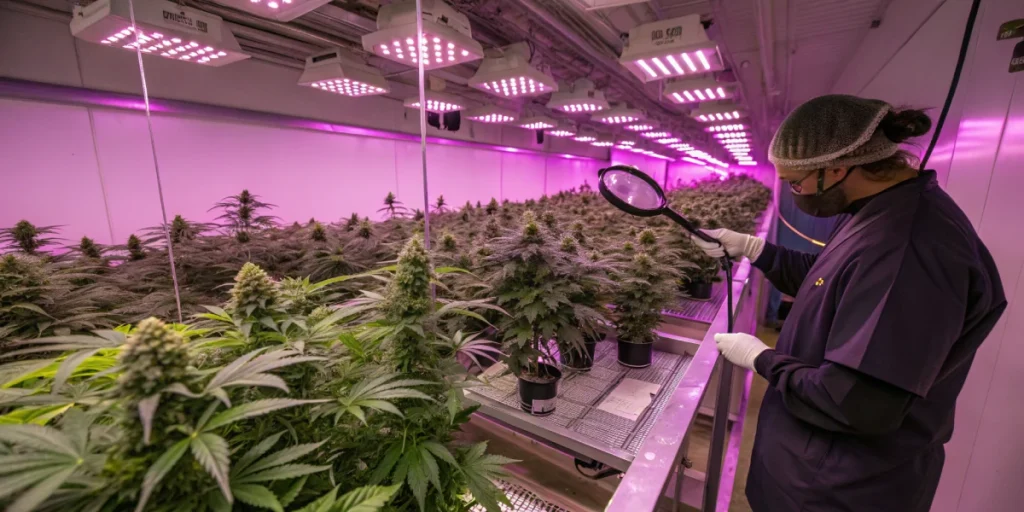
Even the best genetics won’t win without expert cultivation. Top breeders grow their entries in perfectly controlled environments, optimizing lighting, temperature, humidity, and nutrient regimens to bring out the best in the plant’s expression.
Indoor grows offer maximum control, but some award-winning entries also come from greenhouses with supplemental lighting. Either way, achieving peak expression of cannabinoids and terpenes depends on stress-free conditions, dialed-in feeding, and obsessive monitoring.
Timing the Harvest
Harvesting at the right moment is key to terpene retention and maximum potency. Many growers use microscopes to monitor trichome development and ensure that THC is at its peak while maintaining the ideal flavor profile.
Some terpenes are volatile and can degrade if harvested too late. On the other hand, premature harvest can rob the buds of depth and complexity. Growers often sample and lab test small cuts to determine the absolute perfect window for chopping.
Curing, Trimming, and Presentation
Craftsmanship in Every Step
After harvest, buds are slowly cured in dark, humidity-controlled rooms for weeks. This process enhances flavor and smoothness. Hand trimming ensures no detail is lost, and the final product is presented in pristine form something essential for impressing judges.
Many top-tier breeders cure their buds for at least 21–30 days, sometimes longer. The slow breakdown of chlorophyll and development of terpenes during this time makes a dramatic difference. The final texture, color, and smell are all products of expert curing techniques.
Judging Standards Are Strict
Awards competitions often have categories for flower, extracts, edibles, and more. Judges evaluate visual appeal, aroma, smoothness, flavor, and effects. A single misstep in curing or presentation can knock even a great strain out of contention.
Some contests use blind testing formats, while others allow branding. Regardless, the weed must speak for itself. Dense, resin-covered buds with complex terpene profiles and a clean burn always rise to the top in any serious judging panel.
The Role of Lab Testing and Transparency
Data-Driven Excellence
Most competitions now require lab test results for cannabinoid and terpene content, as well as tests for contaminants like mold or pesticides. These results support a breeder’s claims and help differentiate premium entries from the rest.
Growers often partner with certified labs to ensure accuracy. Some even run multiple tests from different labs to confirm consistency. In the eyes of judges and consumers alike, transparency is not just a formality it’s a mark of quality.
Terpenes Matter More Than Ever
While THC used to dominate the conversation, modern judges are increasingly drawn to complex terpene profiles. Strains with rich, layered aromas and unique effects have a clear edge at today’s cannabis competitions.
Compounds like limonene, myrcene, caryophyllene, and ocimene now play a central role in scoring. It’s no longer just about how hard the weed hits it’s about how it makes you feel, smell, and experience the entire spectrum of the plant’s personality.
Winning Is Just the Beginning
How Awards Change a Strain’s Future
Winning a major cannabis competition can catapult a strain into worldwide demand. Seed banks rush to stock it, dispensaries highlight it, and growers line up to cultivate it. It’s not just a trophy it’s a turning point.
Many legendary strains like Gelato, Zkittlez, and Blue Dream first gained notoriety through competitions. A win provides social proof, boosts brand reputation, and often becomes the cornerstone of an entire product line.
Building a Brand Around Genetics
Successful breeders often use a big win to build their brand identity. With the right marketing and consistency, a single strain can lay the foundation for an entire seed company’s success.
Winning entries often lead to limited drops, merchandise, collabs, and future phenohunts. Awards act as a launchpad for larger business strategy especially in a crowded and competitive marketplace.
Meet the Creators Behind the Cup
Stories of Passion and Persistence
Behind every trophy-winning strain is a breeder with a story years of failed experiments, unexpected mutations, late-night trimming sessions, and an unshakable vision. These are the unsung heroes of the cannabis world, and their work drives the industry forward.
Some breeders operate underground, while others run full-scale operations. Regardless of size, what unites them is a relentless pursuit of quality and a personal connection to the plants they raise.
Celebrating Craft and Innovation
Cannabis awards exist not just to recognize the end product, but to celebrate the creativity, science, and craftsmanship behind it. Whether you’re a home grower or a commercial producer, there’s always inspiration in the stories of those who’ve turned seeds into legends.
Innovation can come in many forms rare terpene profiles, heat-tolerant strains, solventless extracts, or new cultivation techniques. These creators are pushing the boundaries of what cannabis can be, one harvest at a time.